John Doane of Plymouth Colony: A Comprehensive Overview

John Doane’s life in Plymouth Colony is documented in numerous records, with 85 entries noted between 1632-1645/6.
Resources, including PDF documents, aid genealogical research into his family tree and Mayflower connections.
Early Life and Origins
John Doane’s origins remain somewhat elusive, though research suggests a birth around 1590 in England. Precise details of his early life are scarce, adding to the challenge of tracing his complete lineage. However, available Plymouth Colony records and genealogical studies, often found in PDF format, begin to illuminate his story upon his arrival in North America.
He likely came from a background that prepared him for a life of responsibility and leadership, as evidenced by his later roles within the colony. While specific information about his parents and upbringing is limited, the fact that he was able to secure land and participate in colonial governance suggests a degree of social standing in England. Researchers utilizing resources like Ancestry and Morrison’s “Unearthing John Doane” continue to piece together fragments of his pre-Plymouth existence, often relying on digitized historical documents and PDF archives.
Arrival in Plymouth Colony
John Doane’s arrival in Plymouth Colony occurred sometime between 1628 and 1630, though the exact year and vessel remain unidentified. Historical records, accessible through various PDF documents and genealogical databases, don’t pinpoint the ship on which he travelled. This lack of specific detail is common for many early colonists. Despite this ambiguity, his presence is firmly established in Plymouth records from the early 1630s onwards.

His integration into the colony was swift, quickly becoming a prominent figure. Researchers, utilizing resources like Ancestry and Morrison’s work, have meticulously documented his early activities. These records, often available as searchable PDF files, demonstrate his immediate involvement in civic and religious life. He wasn’t among the original Mayflower passengers, classifying him as a “latecomer,” yet he rapidly ascended to positions of influence within the established Plymouth community.
Approximate Arrival Date and Vessel
Determining John Doane’s precise arrival date and the vessel he travelled on remains a challenge for historians and genealogists. Records suggest an arrival window between 1628 and 1630, but definitive proof is lacking. Numerous PDF documents detailing early Plymouth Colony passenger lists do not explicitly name him on any specific ship manifest. This absence doesn’t negate his presence, but complicates tracing his journey.
Researchers have explored various possibilities, analyzing shipping schedules and immigration patterns of the period. However, conclusive evidence connecting Doane to a particular vessel hasn’t surfaced. Ancestry resources and Morrison’s “Unearthing John Doane” acknowledge this gap in the historical record. Despite the uncertainty, the approximate timeframe is established through his documented activities within the colony beginning in the early 1630s, as detailed in available Plymouth Colony records.
Role as a Deputy to the Plymouth Court
John Doane actively participated in the governance of Plymouth Colony, notably serving as a deputy to the Old Colony Court. This role signifies his standing within the community and the trust placed in him by his fellow colonists. Records, often accessible through PDF format in historical archives, demonstrate his consistent involvement in colonial affairs. As a deputy, he would have contributed to discussions, debates, and decisions impacting the lives of all residents.
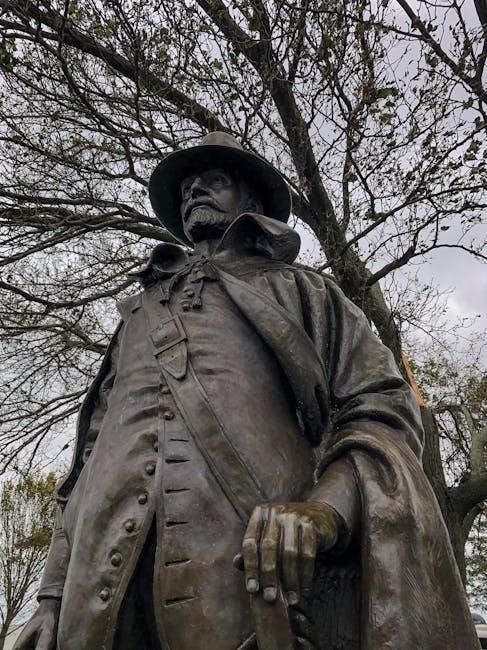
Morrison’s research, detailed in “Unearthing John Doane,” highlights the frequency with which Doane’s name appears in court records. These Plymouth Colony records, increasingly available digitally, showcase his commitment to upholding the law and shaping the colony’s legal framework. His service as a deputy underscores his leadership qualities and dedication to the well-being of the Plymouth settlement, solidifying his position as a prominent figure.
Religious Life: Deacon in the Plymouth Church
John Doane held a significant position within the spiritual life of Plymouth Colony, serving as a deacon in the first church. This role wasn’t merely ceremonial; deacons were responsible for the practical and pastoral needs of the congregation, demonstrating a deep commitment to his faith and community. Historical documents, including those found in PDF archives detailing early Plymouth religious practices, confirm his dedication to the church.
His appointment as deacon reflects the high moral character expected of leaders within the tightly-knit Plymouth community. Research, like that compiled by various genealogy societies, often emphasizes the importance of religious affiliation in understanding a colonist’s life. Accessing digitized church records – often available as PDF files – provides insight into Doane’s spiritual contributions and the religious landscape of the colony, showcasing his devout nature.
Land Ownership and Economic Status
John Doane strategically acquired several parcels of land within Plymouth Colony, a common practice for establishing economic stability. However, historical records suggest he didn’t amass substantial wealth compared to some contemporaries. Examining land deeds and property records – frequently available as PDF documents through Ancestry and similar resources – reveals the extent of his holdings and transactions.
While a respected member of the community, Doane’s economic status appears to have been moderate. These PDF records, alongside colonial inventories, offer clues about his livelihood and possessions. Understanding his land ownership is crucial for tracing his family’s economic trajectory within the colony. Further research into Plymouth Colony economic data, often found in digitized historical texts, provides context for Doane’s financial position and his role in the colonial economy.
Family Life: Marriage to Ann and Children
John Doane married Ann sometime around 1625, likely in England, before their emigration to Plymouth Colony. They became parents to at least three sons and two daughters, establishing a foundational family within the nascent colony. Detailed family records, often preserved in genealogical databases and accessible as PDF files, trace their descendants and connections.
Researching Doane’s family life involves examining birth, marriage, and death records, frequently found in digitized colonial documents; The Doane Family Association maintains extensive records, potentially available in PDF format, detailing the lineage and stories of his children and subsequent generations; These resources provide insights into the family’s social standing and contributions to the Plymouth Colony community, offering a personal dimension to Doane’s historical narrative.
Doane’s Involvement in Colonial Governance

John Doane was a significant figure in the political landscape of Plymouth Colony, serving as a deputy to the Old Colony Court. He wasn’t merely a participant, but a leader, twice holding the position of assistant to the Governor, demonstrating considerable trust placed in him by the community. Furthermore, he actively contributed to shaping colonial law as a member of the Committee to Revise the Laws.
Records detailing his involvement in governance are preserved in colonial archives, with Morrison’s “Unearthing John Doane” cataloging numerous instances of his participation. Access to these historical documents, often available as PDFs through Ancestry and other genealogical resources, allows researchers to trace his political decisions and influence. These PDF records illuminate his dedication to the development and stability of the Plymouth Colony.
Assistant to the Governor
John Doane distinguished himself within Plymouth Colony by serving not once, but twice, as an assistant to the Governor. This role placed him among the highest-ranking officials, responsible for advising and supporting the colony’s chief executive. His repeated appointment signifies the deep respect and confidence the colonists held in his judgment and abilities.
Detailed records of his duties as assistant are scattered throughout colonial archives, often accessible today as digitized PDF documents. These records, meticulously compiled and analyzed by researchers like Arthur Morrison in “Unearthing John Doane,” reveal the scope of his responsibilities. Genealogical societies and online platforms like Ancestry offer access to these valuable PDF resources, allowing researchers to explore his contributions to colonial administration and governance within the Plymouth Colony.
Committee to Revise the Laws
John Doane’s commitment to the well-being of Plymouth Colony extended to his involvement with the Committee to Revise the Laws. This crucial assignment tasked him with ensuring the colony’s legal framework remained just, effective, and aligned with the evolving needs of the community. His participation demonstrates a dedication to establishing a stable and equitable society.
Records pertaining to the committee’s deliberations and the revised laws themselves are often found within colonial manuscripts, now increasingly available as searchable PDF documents. Researchers utilizing resources like those detailed in “Plymouth Colony: Its History & People” can access these primary sources. Furthermore, genealogical databases and Ancestry platforms are compiling digitized versions of these vital PDF records, offering invaluable insights into John Doane’s role in shaping the legal landscape of the Plymouth Colony.
Genealogical Research and Family Tree
Tracing the lineage of John Doane and constructing a comprehensive family tree relies heavily on historical records, many of which are now accessible in PDF format. Platforms like Geni host extensive genealogical data, boasting over 270 million profiles, including detailed information on Doane’s ancestors and descendants. These resources allow researchers to explore his connections and build a visual representation of his familial relationships.
Digitized Plymouth Colony records, often available as downloadable PDFs, are essential for verifying information and uncovering new details. Morrison’s “Unearthing John Doane” is a key resource, referencing numerous colonial documents. Ancestry also provides access to vital records, court documents, and land deeds, frequently in PDF form, enabling a thorough investigation into Doane’s origins and the expansion of his family tree.
The Doane Family Association

The Doane Family Association serves as a central hub for individuals tracing their ancestry to Deacon John Doane of Plymouth Colony. This organization actively collects, preserves, and shares information related to the Doane lineage, often making resources available in PDF format for members and researchers. Their website and publications provide valuable insights into Doane’s life, his role in the colony, and the subsequent generations of his family.
The Association facilitates connections between descendants, fostering a sense of community and shared heritage. They frequently compile genealogical reports, family histories, and transcriptions of historical documents – many accessible as downloadable PDF files. These resources aid in building a comprehensive family tree and understanding the broader context of John Doane’s impact on colonial America. Access to these PDF records enhances research efforts significantly.
Descendants of John Doane
Tracing the descendants of John Doane reveals a widespread and influential presence throughout American history. Numerous individuals have meticulously researched and documented these lineages, often compiling their findings into detailed genealogical reports and family histories. Many of these resources are now available in PDF format, offering convenient access for researchers worldwide.
The Doane Family Association plays a crucial role in preserving and disseminating information about John Doane’s progeny. Their archives contain a wealth of data, including birth, marriage, and death records, as well as biographical sketches of notable descendants. These materials, frequently offered as downloadable PDF documents, allow for in-depth exploration of the Doane family’s evolution across generations. Discovering these PDF records unlocks a deeper understanding of their contributions to society.
John Doane (1664-1755): A Notable Descendant
John Doane (1664-1755), a significant figure in the Doane lineage, represents a compelling case study for researchers exploring the family’s impact beyond the initial Plymouth Colony settlement. Information regarding his life and contributions is often found within larger genealogical compendiums and historical records, increasingly digitized and available as PDF documents.
Born in Eastham, Plymouth Colony, this John Doane continued the family’s tradition of civic engagement. Detailed biographical information, including his birthdate (May 29, 1664), is often compiled in searchable PDF databases maintained by genealogy societies and historical archives. These resources allow researchers to trace his life, land ownership, and potential connections to other prominent colonial families. Accessing these PDF files provides a comprehensive view of his role within the evolving colonial landscape.
Historical Records and Documentation
Extensive documentation pertaining to John Doane of Plymouth Colony exists, though accessing it often requires navigating various historical archives and genealogical resources. Morrison’s “Unearthing John Doane” is a key source, cataloging 85 Plymouth Colony records spanning 1632/3 to 1645/6. Many of these records, alongside broader colonial documents, are now being digitized and released as searchable PDF files.
Ancestry resources, including “Plymouth Colony: Its History & People 1620-1691,” provide further insights, often referencing original records. These PDF-accessible materials detail Doane’s involvement as a deputy to the court, a deacon, and his participation in colonial governance. Researchers can find land records, court proceedings, and church documents, all increasingly available in PDF format, offering a comprehensive picture of his life and contributions to the early Plymouth settlement.
Plymouth Colony Records Featuring John Doane
Plymouth Colony records extensively feature John Doane, detailing his multifaceted role within the community. Morrison’s research highlights 85 distinct entries documenting his activities between 1632/3 and 1645/6, many now accessible as digitized PDF documents. These records showcase his service as a deputy to the Old Colony Court and his devout position as a deacon in the first church.

Available PDFs include land ownership records, illustrating his acquisitions within Plymouth, and court records demonstrating his involvement in colonial legal proceedings. Researchers can find evidence of his participation on the Committee to Revise the Laws, further solidifying his position as a leader. Ancestry’s digitized collections offer searchable PDFs of original colonial documents, providing invaluable insights into Doane’s life and contributions, readily available for genealogical study.

Morrison’s “Unearthing John Doane”
Morrison’s “Unearthing John Doane” is a pivotal resource for understanding the life of this prominent Plymouth Colony figure. The work meticulously compiles and analyzes a wealth of primary source material, including numerous Plymouth Colony records, many of which are now available in PDF format. This comprehensive study details 85 documented instances of Doane’s involvement in colonial affairs between 1632/3 and 1645/6.
The book’s significance lies in its detailed examination of these records, offering insights into Doane’s roles as a deputy, deacon, and landowner. Digitized versions and excerpts, often found as searchable PDFs, allow researchers to easily access Morrison’s findings and the supporting documentation. “Unearthing John Doane” serves as a cornerstone for genealogical research and a vital resource for anyone seeking a deeper understanding of early colonial life in Plymouth.
Ancestry Resources for John Doane

Ancestry.com provides extensive resources for researching John Doane and his Plymouth Colony lineage. Users can access digitized records, including vital records, land deeds, and court documents, often available as downloadable PDF files. These resources facilitate tracing Doane’s family history and connections to other early settlers. The platform’s genealogy tools allow for building a detailed family tree, linking Doane to potential Mayflower ancestors.
Furthermore, Ancestry hosts user-submitted content, including family histories and transcriptions of historical documents, some in PDF format. These contributions can supplement official records, offering additional insights into Doane’s life and times. Researchers can also explore collections related to Plymouth Colony, providing contextual information about the broader colonial environment. Accessing these PDF-based resources streamlines the research process, enabling a comprehensive exploration of John Doane’s heritage.
Mayflower Connections and Heritage
Tracing John Doane’s potential Mayflower ancestry is a key focus for many researchers, with digitized records offering crucial clues. While direct lineage hasn’t been definitively established, investigations continue, utilizing resources available in PDF format detailing passenger lists and family connections within Plymouth Colony. These documents, often found on Ancestry and through the Doane Family Association, provide valuable leads.
The possibility of a Mayflower link adds significant weight to Doane’s historical importance, solidifying his place within the foundational narrative of early America. Researchers analyze wills, land records, and church affiliations – frequently accessible as PDFs – to identify potential familial ties. Bonnie Wade Mucia’s research exemplifies the dedication to uncovering these connections, highlighting the enduring appeal of exploring Doane’s heritage and its potential ties to the original Plymouth settlers.
Tracing Mayflower Ancestry Through John Doane
Investigating John Doane’s Mayflower ancestry relies heavily on digitized colonial records, often available as searchable PDF documents. Researchers meticulously examine Plymouth Colony records – including court proceedings, land deeds, and church documents – seeking evidence of connections to known Mayflower passengers. Morrison’s “Unearthing John Doane” catalogs numerous records, providing a foundation for this genealogical pursuit.
The challenge lies in the incomplete nature of early records and the common practice of reusing names. PDF archives from Ancestry and the Doane Family Association are crucial, offering transcribed data and scanned images of original sources. Establishing a definitive link requires careful analysis and corroboration of multiple sources. Despite the complexities, the potential to connect Doane to the Mayflower legacy continues to drive dedicated research, fueled by accessible digital resources.
Availability of PDF Documents and Resources
Numerous PDF documents and online resources facilitate research into John Doane of Plymouth Colony. Ancestry.com hosts digitized versions of Plymouth Colony records, including vital statistics and legal documents, often available as downloadable PDFs. The Doane Family Association provides a wealth of information, including compiled genealogy and scanned historical texts, frequently in PDF format.
Morrison’s “Unearthing John Doane” serves as a comprehensive index to colonial records, guiding researchers to relevant PDF sources. Furthermore, various historical societies and libraries offer digitized collections accessible online. Searching for “John Doane Plymouth Colony PDF” yields a range of results, from transcribed records to full-text books. These resources collectively provide a robust foundation for exploring Doane’s life and legacy within the early colonial context.
Searching for John Doane PDF Records
Effective searching for John Doane PDF records requires strategic keyword combinations. Utilize search engines with terms like “John Doane Plymouth Colony records PDF,” “Doane family genealogy PDF,” and “Plymouth court records PDF.” Ancestry.com and FamilySearch.org are prime locations, filtering results to display only PDF documents.
The Doane Family Association website often links to digitized records. Explore online archives of historical societies in Massachusetts, specifically those focusing on Plymouth. Morrison’s “Unearthing John Doane” provides a detailed index; searching for this work itself may yield PDF excerpts or related resources. Remember to refine searches by date ranges (1630-1685) and document types (deeds, wills, court records) to narrow results and uncover valuable PDF-based information about John Doane’s colonial life.
Further Research and Resources
Expanding research beyond readily available PDFs necessitates exploring broader historical texts concerning Plymouth Colony. “Plymouth Colony: Its History & People 1620-1691” offers contextual information, though access may require library resources. Delving into published collections of colonial records, often available in university libraries, can reveal further details about John Doane’s activities.
Consider examining secondary sources analyzing 17th-century New England governance and religious life. The New England Historic Genealogical Society (NEHGS) provides extensive resources, including databases and expert assistance. Online forums dedicated to genealogy and Mayflower descendants can offer collaborative insights. While dedicated John Doane PDF collections are limited, a comprehensive approach utilizing diverse historical materials will enrich understanding of his life and legacy within the Plymouth settlement.
Exploring Additional Historical Texts
Beyond readily available PDF documents, a deeper understanding of John Doane’s life requires examining broader colonial histories. Texts detailing the political and religious landscape of 17th-century Plymouth Colony provide crucial context. Researchers should investigate published collections of court records and town histories, often accessible through academic libraries and online archives.
Morrison’s “Unearthing John Doane” serves as a key starting point, but supplementary materials are essential. Exploring publications from the Plymouth County Historical Society and similar institutions can yield valuable insights. While a single comprehensive John Doane PDF may not exist, piecing together information from diverse sources – including wills, land deeds, and church records – will create a more complete picture of his role within the early colonial community and his family tree.