Article Plan: Franz Kafka’s Letter to His Father (PDF)
Franz Kafka’s profound Letter to His Father‚ alongside works like “The Metamorphosis” and “The Judgment”‚ is widely available as a PDF. Numerous online resources offer downloads‚ requiring attention to legality and copyright.
Franz Kafka’s Letter to His Father stands as a pivotal‚ intensely personal document offering unparalleled insight into the author’s psyche and the complex relationship that profoundly shaped his life and literary output. This lengthy‚ emotionally charged missive‚ penned in November 1919‚ was never actually sent during Hermann Kafka’s lifetime‚ yet it remains a cornerstone for understanding Kafka’s persistent feelings of inadequacy and his fraught dynamic with his domineering father.
The letter isn’t simply a recounting of past grievances; it’s a meticulous‚ often painful‚ dissection of their interactions‚ exploring the roots of Kafka’s self-doubt and his struggles with authority. It details Kafka’s childhood perceptions of his father’s character – a figure he simultaneously admired and feared – and how these perceptions contributed to his lifelong anxieties.
Today‚ the Letter to His Father is readily accessible in PDF format through various online platforms‚ allowing scholars and readers alike to delve into this crucial text. Its enduring appeal lies in its universal themes of familial conflict‚ the search for identity‚ and the lasting impact of parental influence. The availability of the PDF version facilitates widespread study and analysis of this deeply revealing work‚ alongside other notable pieces like The Metamorphosis.
Historical Context of Kafka’s Life
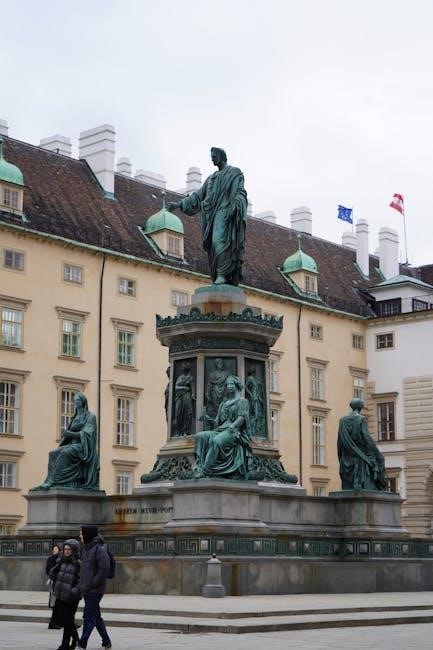
Franz Kafka was born in Prague in 1883‚ a city steeped in Austro-Hungarian culture and marked by significant ethnic and linguistic tensions. This environment profoundly influenced his worldview and‚ subsequently‚ his writing. He lived during a period of rapid industrialization‚ societal shifts‚ and rising nationalism‚ all of which contributed to a sense of alienation and uncertainty – themes prevalent in his work‚ including the insights found within the PDF of his Letter to His Father.
Kafka’s family‚ though prosperous due to Hermann Kafka’s business ventures‚ was characterized by a complex dynamic. His father‚ a stern and demanding man‚ exerted considerable control over his family‚ a factor heavily explored in the unsent letter. The societal expectations placed upon young Jewish men in Prague at the time also played a role‚ adding pressure to conform and succeed in a traditionally patriarchal society.
Understanding this historical backdrop is crucial when interpreting the Letter to His Father‚ available as a PDF for detailed study. Kafka’s anxieties weren’t solely personal; they were interwoven with the broader anxieties of his time. His literary output‚ like The Metamorphosis‚ reflects these societal pressures and the individual’s struggle for meaning within a rapidly changing world.
The Kafka Family Dynamic
The Kafka family was a central force in shaping Franz’s psychological landscape‚ a dynamic meticulously dissected in his Letter to His Father‚ readily accessible as a PDF. Hermann Kafka‚ the father‚ was a dominant figure‚ a self-made man who instilled a rigorous work ethic and held high expectations for his son. This created a palpable power imbalance‚ fostering feelings of inadequacy and fear in Franz.
Julie Löwy‚ Franz’s mother‚ appears to have been more passive‚ often acting as a buffer between her husband and her son. However‚ she didn’t actively challenge Hermann’s authority‚ contributing to the overall oppressive atmosphere. The siblings‚ while present‚ largely remained outside the core of Franz’s conflict with his father‚ making it a uniquely personal struggle.
The PDF version of the letter reveals Franz’s desperate attempt to understand and articulate the profound impact his father’s personality had on his life and creative endeavors. He details perceived criticisms‚ lack of affirmation‚ and a constant sense of being judged. This complex interplay of dominance‚ passivity‚ and perceived failings forms the emotional core of the letter and provides invaluable insight into Kafka’s inner world.
Hermann Kafka: The Father Figure
Hermann Kafka‚ a prosperous merchant‚ emerges in his son Franz’s Letter to His Father – available as a PDF – as a formidable and often intimidating presence. He was a man of strong will‚ practical concerns‚ and a distinctly bourgeois outlook‚ qualities that clashed with Franz’s sensitive and intellectual nature. The letter meticulously details Hermann’s perceived shortcomings as a father‚ focusing on his critical demeanor and lack of emotional support.
Hermann’s success was built on hard work and self-reliance‚ values he relentlessly impressed upon Franz. He seemed unable to comprehend or appreciate his son’s artistic inclinations‚ viewing them as impractical and even frivolous. This disconnect fueled Franz’s feelings of inadequacy and contributed to a lifelong struggle for paternal approval.
The PDF reveals Hermann as a man who demanded respect and obedience‚ often resorting to subtle forms of emotional manipulation. Franz perceived his father’s actions as undermining his self-confidence and hindering his personal growth. Understanding Hermann’s character is crucial to deciphering the complex psychological dynamics explored within the letter itself.
Julie Löwy: The Mother’s Role
Julie Löwy‚ Franz Kafka’s mother‚ appears in the context of his Letter to His Father – readily accessible as a PDF – as a largely passive figure‚ often positioned as a mediator between Franz and his domineering father‚ Hermann Kafka. While the letter primarily focuses on Franz’s relationship with his father‚ Julie’s presence is felt through her perceived inability or unwillingness to shield Franz from Hermann’s harsh criticisms.

The PDF reveals Franz’s perception of his mother as intellectually limited and overly concerned with maintaining social appearances. He believed she lacked the strength to challenge Hermann’s authority‚ thus contributing to the oppressive atmosphere within the family. Franz often felt she failed to understand or validate his emotional needs.
However‚ it’s important to note that this portrayal is filtered through Franz’s subjective experience and the lens of his intense emotional turmoil. While not directly blamed‚ Julie is implicitly criticized for her perceived complicity in the family dynamic. Her role‚ as presented in the letter‚ is one of quiet resignation rather than active intervention‚ shaping Franz’s feelings of isolation.

The Composition and Discovery of the Letter
Franz Kafka composed the lengthy Letter to His Father in November 1919‚ during a period of intense personal and creative crisis. Though intended as a direct communication‚ the letter – now widely circulated as a PDF – was never actually sent to Hermann Kafka during his lifetime. It represents a desperate attempt by Franz to articulate decades of pent-up resentment and psychological distress stemming from his complex relationship with his father.
The PDF version we access today wasn’t immediately available after Kafka’s death. The manuscript remained in the possession of Julie Löwy‚ Kafka’s mother‚ and subsequently passed to his friend‚ Max Brod. Brod‚ defying Kafka’s instruction to destroy his unpublished works‚ recognized the letter’s literary and psychological significance.
Brod meticulously edited and prepared the letter for publication‚ releasing it in 1952. This delayed release meant the PDF and printed versions became available to scholars and the public decades after its original composition‚ sparking extensive analysis of Kafka’s inner world and familial dynamics. The digital age has further democratized access to this pivotal text.
Why Kafka Wrote the Letter

Franz Kafka’s motivation for writing the extensive Letter to His Father‚ now readily available as a PDF‚ stemmed from a profound need to understand and confront the deeply damaging impact of his father’s personality on his own life and creative endeavors. He felt compelled to dissect their relationship‚ believing it was the root of his lifelong feelings of inadequacy and self-doubt.
Kafka aimed to explain to Hermann Kafka – though he never sent it – how his father’s domineering nature‚ critical judgment‚ and perceived lack of affection had stifled his emotional and artistic development. The PDF reveals a meticulous attempt to trace the origins of his anxieties back to specific childhood experiences and interactions.
The letter wasn’t simply a recounting of grievances; it was a desperate plea for understanding‚ a yearning for a connection that had always eluded him. Kafka hoped‚ perhaps unrealistically‚ that by articulating his pain‚ he could achieve some form of psychological liberation. The PDF serves as a testament to his internal struggle and a powerful exploration of familial trauma.
The Letter’s Unsent Status
Despite its immense length and emotional intensity‚ Franz Kafka’s Letter to His Father‚ frequently accessed as a PDF today‚ was never actually delivered to Hermann Kafka. This decision wasn’t made lightly; Kafka wrestled with the idea of sending it for years‚ ultimately concluding it would cause more harm than good.
He feared the letter would be misinterpreted‚ or worse‚ dismissed entirely by his father‚ potentially exacerbating their already strained relationship. The PDF reveals a deep-seated awareness of his father’s character and a realistic assessment of how he would likely react to such a candid and critical assessment.
Furthermore‚ Kafka entrusted the manuscript to his friend‚ Max Brod‚ with specific instructions to burn it after his death. Brod‚ however‚ defied Kafka’s wishes‚ recognizing the letter’s literary and psychological significance. Thus‚ the PDF version we have access to exists solely due to Brod’s disobedience‚ offering a poignant glimpse into Kafka’s private world.
Themes Explored in the Letter
The PDF of Franz Kafka’s Letter to His Father delves into a complex web of recurring themes‚ primarily centered around power dynamics‚ inadequacy‚ and the search for paternal approval. Kafka meticulously dissects his relationship with Hermann Kafka‚ revealing a pervasive sense of being judged and found wanting.
A central theme is the crippling effect of Hermann’s imposing personality and expectations on Franz’s self-esteem. The letter‚ available as a PDF for scholarly analysis‚ details Kafka’s feelings of physical and intellectual inferiority‚ stemming from perceived criticisms and a lack of genuine encouragement.
The exploration of Jewish identity and Kafka’s conflicted feelings about his heritage also feature prominently. He grapples with his father’s assimilationist views and his own sense of alienation. Ultimately‚ the PDF showcases a desperate attempt to understand the roots of his anxieties and the enduring impact of his upbringing‚ mirroring themes found in his fiction like “The Metamorphosis.”
Kafka’s Feelings of Inadequacy
The PDF version of Franz Kafka’s Letter to His Father is a raw and unflinching portrayal of profound self-doubt. Kafka meticulously details a lifelong struggle with feelings of inadequacy‚ directly attributing them to his father’s perceived criticisms and domineering presence.
Throughout the letter‚ accessible as a PDF for detailed study‚ Kafka recounts specific instances where he felt belittled or dismissed by Hermann Kafka. These experiences fostered a deep-seated insecurity‚ impacting his confidence in his writing‚ his physical abilities‚ and his overall sense of self-worth. He consistently portrays himself as weak and incapable of meeting his father’s unspoken expectations.
This pervasive sense of inadequacy isn’t merely a personal lament; it’s a core element of Kafka’s artistic vision‚ echoing in characters like Gregor Samsa in “The Metamorphosis.” The PDF reveals how these deeply personal feelings fueled his exploration of alienation and existential angst‚ making the letter a crucial key to understanding his literary output.
The Impact of Hermann’s Personality on Franz
The PDF of Franz Kafka’s Letter to His Father meticulously outlines the devastating impact of Hermann Kafka’s personality on his son’s development; Kafka describes his father as a powerful‚ critical‚ and often intimidating figure‚ whose expectations loomed large over his life.
Through the letter‚ available for download as a PDF‚ Kafka details how his father’s perceived lack of warmth and constant judgment instilled in him a profound sense of inferiority. Hermann’s strong will and demanding nature left little room for Franz to express himself authentically‚ fostering a lifelong struggle for approval.
The PDF reveals that Kafka believed his father’s personality directly contributed to his anxieties‚ his difficulties in relationships‚ and his artistic insecurities. He perceived Hermann as lacking empathy and understanding‚ creating a chasm between them that Kafka desperately attempted to bridge through this intensely personal‚ though unsent‚ communication. This dynamic profoundly shaped Kafka’s worldview and artistic expression‚ influencing works like “The Judgment.”
Analysis of Kafka’s Writing Style in the Letter
The PDF version of Franz Kafka’s Letter to His Father showcases a writing style characterized by intense self-analysis and meticulous detail. Despite its deeply personal nature‚ the letter isn’t a spontaneous outpouring of emotion‚ but a carefully constructed argument‚ revealing Kafka’s methodical approach even when confronting his most painful experiences.
Available for download as a PDF‚ the letter demonstrates Kafka’s tendency towards lengthy‚ complex sentences‚ reflecting his internal struggles and attempts to fully articulate his feelings. He employs a formal‚ almost clinical tone‚ distancing himself emotionally from the raw material he’s presenting. This stylistic choice‚ evident in the PDF‚ suggests a desire for objectivity‚ even as he dissects his subjective experience.
Kafka’s writing is marked by a relentless pursuit of precision‚ as he attempts to pinpoint the origins of his insecurities and anxieties. The PDF reveals a writer grappling with language itself‚ striving to convey the nuances of his complex relationship with his father. This style foreshadows the intricacies found in his fictional works‚ like “The Metamorphosis.”
The Letter as a Psychological Portrait
The PDF of Franz Kafka’s Letter to His Father functions as a remarkably candid self-portrait‚ offering profound insights into the author’s psyche. It’s a document steeped in anxiety‚ revealing a man profoundly shaped by feelings of inadequacy and a fraught relationship with his domineering father. Accessing the letter as a PDF allows for close examination of Kafka’s internal world.
The letter unveils a deep-seated sense of powerlessness and a chronic lack of self-worth‚ stemming from perceived failures to meet his father’s expectations. The PDF demonstrates Kafka’s obsessive self-scrutiny and his tendency towards self-blame. He meticulously details instances where he felt judged and found wanting‚ painting a picture of a man burdened by a pervasive sense of guilt.
Through the PDF‚ we witness Kafka’s struggle to reconcile his artistic aspirations with his father’s pragmatic worldview. The letter is a testament to the lasting impact of early childhood experiences on personality development‚ offering a compelling psychological case study. It’s a raw and honest exploration of a troubled inner life‚ mirroring themes found in works like “The Judgment.”
Critical Reception of the Letter
The publication of Franz Kafka’s Letter to His Father‚ readily available as a PDF‚ sparked considerable debate among literary critics and psychoanalysts. Initially‚ its intensely personal and often accusatory tone was met with mixed reactions. Some viewed it as a crucial key to understanding Kafka’s oeuvre‚ particularly works exploring familial conflict like “The Metamorphosis.” The PDF format facilitated widespread access‚ fueling scholarly discussion.
Critics debated the letter’s authenticity as a purely objective account‚ noting Kafka’s subjective perspective and potential for exaggeration. However‚ most agreed on its value as a window into his psychological state and the origins of his artistic themes. The PDF allowed for detailed textual analysis‚ revealing patterns of language and thought.
Later interpretations emphasized the letter’s literary merit‚ recognizing it as a powerful work of self-reflection in its own right. The accessibility of the PDF version contributed to its enduring influence on Kafka studies‚ prompting further exploration of his complex relationship with his father and its impact on his writing.

The Letter’s Influence on Kafka’s Works
Franz Kafka’s Letter to His Father‚ easily accessible in PDF format‚ profoundly illuminates the thematic undercurrents within his broader literary output. The letter’s exploration of paternal dominance‚ feelings of inadequacy‚ and the search for approval directly resonates with narratives like “The Metamorphosis‚” where familial alienation is central.
The intense father-son dynamic detailed in the PDF provides critical context for understanding the power imbalances and existential anxieties present in “The Judgment.” Critics argue that Kafka repeatedly revisits and reframes the issues articulated in the letter throughout his stories and novels. The PDF’s availability has enabled scholars to trace these connections with greater precision.
Furthermore‚ the letter’s self-deprecating tone and exploration of personal failings arguably informed Kafka’s portrayal of alienated protagonists. The widespread circulation of the PDF has solidified the understanding that Kafka’s work is deeply autobiographical‚ rooted in his complex relationship with his father and his own internal struggles.
“The Metamorphosis” and Familial Themes

Franz Kafka’s “The Metamorphosis‚” readily studied via PDF versions of his collected works‚ exhibits striking parallels to the familial dynamics dissected in his Letter to His Father. The story’s depiction of Gregor Samsa’s alienation and his family’s subsequent rejection mirrors Kafka’s own feelings of inadequacy and perceived disapproval from his domineering father‚ as detailed in the PDF.
The PDF reveals Kafka’s profound sense of powerlessness within his family‚ a sentiment powerfully echoed in Gregor’s transformation and his diminished status. The family’s economic dependence on Gregor‚ and their eventual desire for his disappearance‚ reflect Kafka’s anxieties about his own inability to meet his father’s expectations.
Analyzing the PDF alongside “The Metamorphosis” highlights the story’s exploration of guilt‚ obligation‚ and the burden of familial responsibility. The insectile form can be interpreted as a symbolic representation of Gregor’s perceived worthlessness‚ a feeling directly linked to the criticisms outlined in the letter. The PDF provides crucial insight into the story’s psychological depth.

“The Judgment” and Father-Son Conflict
Franz Kafka’s short story‚ “The Judgment‚” often accessible through PDF collections of his work‚ dramatically portrays the intense and fraught relationship between a son and his father – a dynamic illuminated by the revelations within his Letter to His Father‚ also available as a PDF. The story’s abrupt and devastating conclusion‚ where the father condemns his son to death‚ embodies the overwhelming power Kafka felt his father held over him.
Reading the PDF of the letter alongside “The Judgment” reveals the story as a potent expression of Kafka’s anxieties surrounding his father’s judgment and his own perceived failures. The son’s guilt and his desperate attempts to gain his father’s approval resonate with Kafka’s own struggles‚ as documented in the letter’s detailed account of their interactions.

The PDF demonstrates Kafka’s fear of inadequacy and his anticipation of harsh criticism. “The Judgment’s” symbolic weight‚ particularly the father’s pronouncement‚ can be understood as a manifestation of Kafka’s internalized sense of condemnation. The story‚ when viewed through the lens of the PDF‚ becomes a chilling exploration of patriarchal authority and its destructive potential.
Finding the PDF Version of the Letter
Locating a PDF version of Franz Kafka’s “Letter to His Father” is relatively straightforward due to its widespread academic and literary interest. Numerous online repositories and digital libraries offer the text for download. A simple web search using keywords like “Kafka Letter to Father PDF” yields a multitude of results‚ including links to university websites‚ online bookstores‚ and dedicated Kafka resource pages.
However‚ caution is advised when downloading PDFs from unfamiliar sources. Prioritize reputable websites and academic institutions to ensure the file is authentic and free from malware. Many university libraries offer digitized versions of classic texts‚ including Kafka’s letter‚ accessible to the public. Websites offering collections of Franz Kafka stories‚ such as “The Complete Novels‚” may also include the letter in PDF format.
Always verify the source’s credibility and be mindful of copyright restrictions before downloading or distributing the PDF. Several online platforms provide previews‚ allowing you to assess the quality and completeness of the document before committing to a full download.
Reliable Sources for the PDF Download
When seeking a PDF of Franz Kafka’s “Letter to His Father‚” prioritizing trustworthy sources is crucial. Project Gutenberg (https://www.gutenberg.org/) often hosts classic literature in various formats‚ including PDF‚ and is a reliable‚ legally compliant option. University digital libraries‚ such as those at Harvard or Stanford‚ frequently offer digitized texts for academic use‚ ensuring authenticity.
Internet Archive (https://archive.org/) is another excellent resource‚ providing access to a vast collection of scanned books and documents. Reputable online bookstores‚ like those specializing in academic texts‚ may also offer the letter as a PDF purchase or a free sample. Be wary of websites with excessive advertisements or unclear copyright information.
Websites dedicated to Franz Kafka scholarship‚ maintained by academic institutions or literary societies‚ are generally safe and reliable. Always check for a clear copyright notice or terms of use before downloading. Avoid downloading from file-sharing sites or torrent networks‚ as these often contain pirated or malware-infected files.
Legality and Copyright Considerations
Downloading Franz Kafka’s “Letter to His Father” as a PDF requires careful attention to copyright law. While Kafka’s works are generally in the public domain due to the expiration of copyright terms‚ specific translations or editions may still be protected. Always verify the copyright status of the particular PDF you intend to download.
Resources like Project Gutenberg offer texts explicitly released into the public domain‚ ensuring legal access. However‚ commercially produced PDF versions from publishers require purchase or adherence to their licensing terms. Downloading from unauthorized sources‚ such as torrent sites‚ constitutes copyright infringement and is illegal.
Furthermore‚ be mindful of derivative works. Annotations‚ introductions‚ or critical analyses accompanying the letter may be subject to separate copyright protection. Respecting intellectual property rights is essential when accessing and utilizing literary works. Utilizing legally obtained PDF versions supports authors‚ translators‚ and publishers‚ fostering continued literary scholarship.
Navigating Online PDF Readers
Accessing Franz Kafka’s “Letter to His Father” as a PDF often involves utilizing online PDF readers; These tools offer convenience‚ eliminating the need for software downloads. Popular options include Adobe Acrobat Reader‚ Google PDF Viewer‚ and Smallpdf‚ each with unique features.
Most online readers allow zooming‚ highlighting‚ and note-taking‚ enhancing the reading experience. Familiarize yourself with the interface to efficiently navigate the document. Features like search functionality are invaluable for locating specific passages within the lengthy letter. Some readers offer text-to-speech capabilities‚ providing an alternative way to engage with Kafka’s writing.
However‚ be aware of potential limitations. Online readers may require a stable internet connection and may not support all PDF features. Security concerns are also relevant; avoid uploading sensitive information to untrusted platforms. Downloading the PDF for offline access provides greater control and security‚ ensuring uninterrupted reading of this pivotal work;
The Letter’s Continued Relevance Today
Franz Kafka’s “Letter to His Father‚” readily available as a PDF‚ maintains profound relevance in contemporary society. Its exploration of familial dysfunction‚ parental authority‚ and individual inadequacy resonates deeply with modern readers navigating complex relationships.
The letter’s raw honesty and psychological depth offer insights into the lasting impact of childhood experiences. Themes of self-doubt and the search for validation remain universally relatable‚ transcending cultural and temporal boundaries. The document serves as a powerful testament to the challenges of communication and the enduring need for understanding within families.
Furthermore‚ the letter’s accessibility in PDF format facilitates widespread study and discussion. Its influence extends beyond literary circles‚ informing psychological research and inspiring artistic interpretations. Kafka’s unflinching self-analysis continues to provoke introspection‚ prompting readers to examine their own familial dynamics and personal struggles. The enduring power of this work lies in its ability to illuminate the human condition.
Understanding Kafka Through His Letter
Franz Kafka’s “Letter to His Father‚” easily accessed as a PDF‚ provides an unparalleled window into the author’s psyche and the formative influences shaping his literary vision. The document transcends a simple familial critique‚ becoming a crucial key to unlocking the anxieties and themes prevalent in his fiction‚ such as “The Metamorphosis” and “The Judgment.”
By confronting his father’s imposing figure and dissecting their fraught relationship‚ Kafka reveals the roots of his pervasive feelings of inadequacy and alienation. The letter illuminates the origins of his artistic sensibility‚ demonstrating how personal struggles were transmuted into universal narratives of existential angst.
Studying the PDF version allows for close textual analysis‚ revealing the nuances of Kafka’s writing style and the depth of his psychological insight. Ultimately‚ the letter isn’t merely a historical artifact; it’s a vital component in understanding the man behind the myth and the enduring power of his literary legacy. It offers a profound‚ intimate portrait of a troubled genius.