COE-SOFT is a resilient, self-curing material ideal for temporary denture liners, offering enhanced comfort and fit for patients needing adjustments.
What is COE-SOFT?
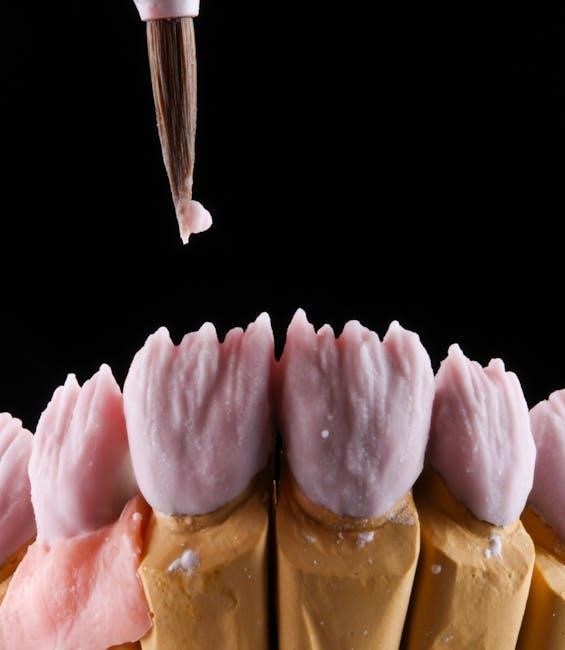
COE-SOFT is specifically formulated as a resilient and self-curing reline material, designed to provide a soft, yet durable, temporary lining for both upper and lower dentures. This material excels in situations where patients require immediate comfort and improved denture fit. It’s a go-to solution for addressing minor denture adjustments and providing relief from irritation.
A key characteristic of COE-SOFT is its relatively quick polymerization time; it sets effectively in approximately 15 minutes, whether applied directly within the patient’s mouth (intraorally) or outside the mouth (extraorally). While offering significant benefits, it’s important to remember that COE-SOFT is intended as a temporary solution, typically lasting around three months before relining or replacement is considered.
Indications for Use
COE-SOFT is primarily indicated for patients experiencing discomfort or ill-fitting dentures requiring a temporary soft liner. This includes cases of recent extractions, inflamed tissues, or temporary denture instability. It’s an excellent choice when a quick and comfortable solution is needed to improve denture retention and patient satisfaction.
Specifically, COE-SOFT is suitable for relining dentures that exhibit minor dimensional changes or require soft tissue support. It’s often used as an interim measure before a definitive reline or a new denture fabrication. However, it’s crucial to remember that COE-SOFT isn’t intended for long-term use and should be replaced as recommended by a dental professional, typically within a three-month timeframe.
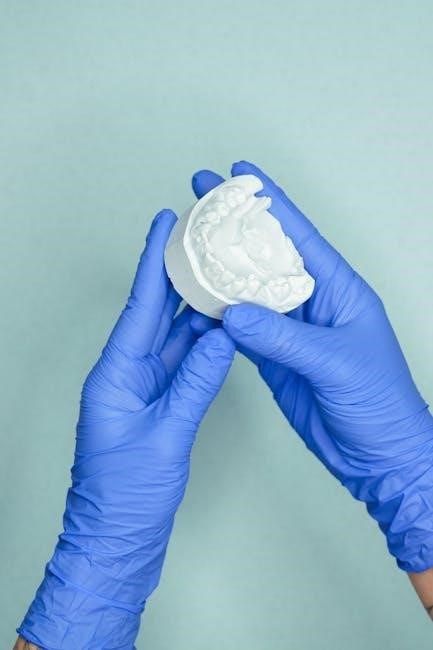
Preparation for COE-SOFT Application
Proper preparation involves a thorough patient assessment and meticulous denture cleaning to ensure optimal adhesion and a comfortable, effective reline.
Patient Assessment
A comprehensive patient assessment is crucial before applying COE-SOFT. Evaluate the patient’s history, focusing on any allergies or sensitivities to acrylic materials. Carefully examine the denture-bearing tissues, noting any inflammation, irritation, or areas of discomfort. Assess the existing denture’s fit, identifying specific areas requiring relining.
Determine if the patient requires a temporary, soft liner due to recent extractions, tissue changes, or temporary discomfort. Discuss the expected lifespan of the COE-SOFT reline – approximately three months – and manage patient expectations accordingly. Confirm the patient understands the temporary nature of the reline and the need for potential future permanent solutions. A detailed assessment ensures COE-SOFT is the appropriate treatment option.
Denture Preparation
Prior to COE-SOFT application, thorough denture preparation is essential. Remove all wax, debris, and existing liner material from the denture base. Clean the denture meticulously with a suitable denture cleanser, ensuring a dry surface for optimal bonding. Roughen the intaglio surface of the denture base using a fine-grit abrasive to enhance mechanical retention of the COE-SOFT material.
Ensure the denture borders are properly adapted and do not impinge on soft tissues. Block out any undercuts that may prevent complete seating of the reline material. Verify the occlusion and articulation of the denture to ensure a stable and comfortable bite after relining. Proper preparation maximizes the effectiveness and longevity of the COE-SOFT reline.
Mixing COE-SOFT Material
Accurate mixing is crucial for COE-SOFT’s properties. Dispense the COE-SOFT liquid and powder into a clean, dry mixing container, following the manufacturer’s recommended powder-to-liquid ratio. Typically, this involves scooping the powder and adding the liquid in increments. Mix vigorously with a spatula for approximately 60-90 seconds, ensuring a homogenous, uniform consistency.
Avoid introducing air bubbles during mixing, as they can weaken the final reline. The mixed material should have a smooth, creamy texture and be ready for application within the working time, generally around 2-3 minutes. Proper mixing guarantees optimal polymerization and a resilient, comfortable reline.
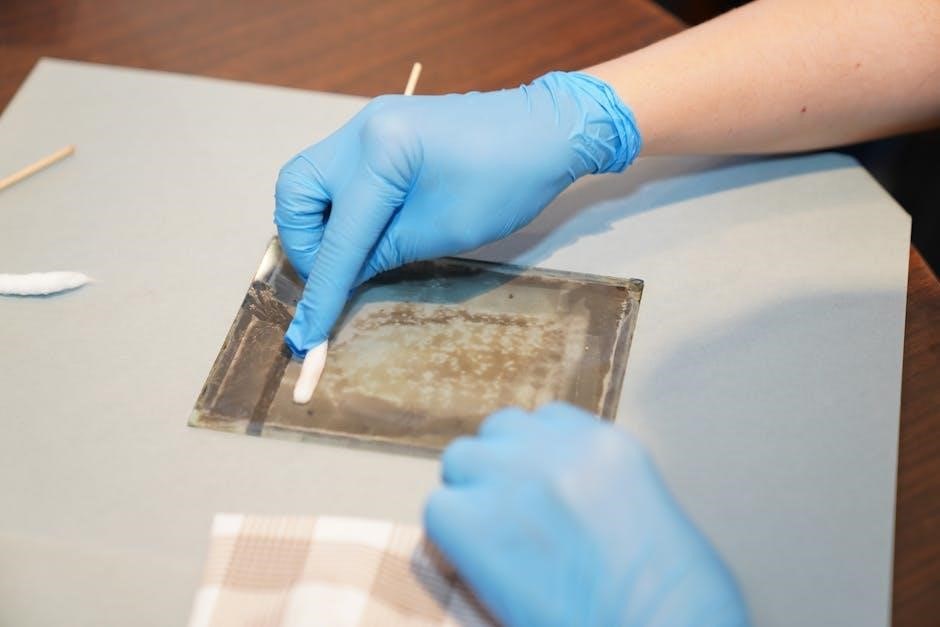
Application of COE-SOFT
COE-SOFT can be applied directly into the denture intraorally or extraorally, adapting the soft material to the denture-bearing tissues for a comfortable fit.
Intraoral Application Technique
For intraoral application, ensure the denture is properly seated and stable. Carefully inject the mixed COE-SOFT material into the denture liner space, starting posteriorly and moving anteriorly. Avoid overfilling, as it can cause discomfort during polymerization and create an inaccurate fit.
Apply even pressure during material placement to ensure complete adaptation to the denture base and underlying tissues. Remove any excess material immediately with an instrument, before it begins to set. Instruct the patient to close into centric occlusion to facilitate uniform pressure distribution. This technique allows for a dynamic impression and a more personalized reline, directly adapting to the patient’s oral anatomy.
The material polymerizes within the mouth in approximately 15 minutes, providing a convenient and efficient relining process.
Extraoral Application Technique
For extraoral application, the denture is removed from the patient’s mouth and placed in a flask or on a stable surface. Apply a thin layer of COE-SOFT material to the tissue-bearing surface of the denture liner space. Ensure complete coverage, paying close attention to areas requiring relining or adaptation.
This method allows for precise control over material placement and thickness, particularly beneficial for complex cases or when a more detailed reline is needed. After application, the denture is returned to the patient’s mouth for polymerization.
Maintain consistent pressure during the setting process, either through patient cooperation or using a specialized clamping device. This technique offers enhanced accuracy and minimizes potential distortion during polymerization.
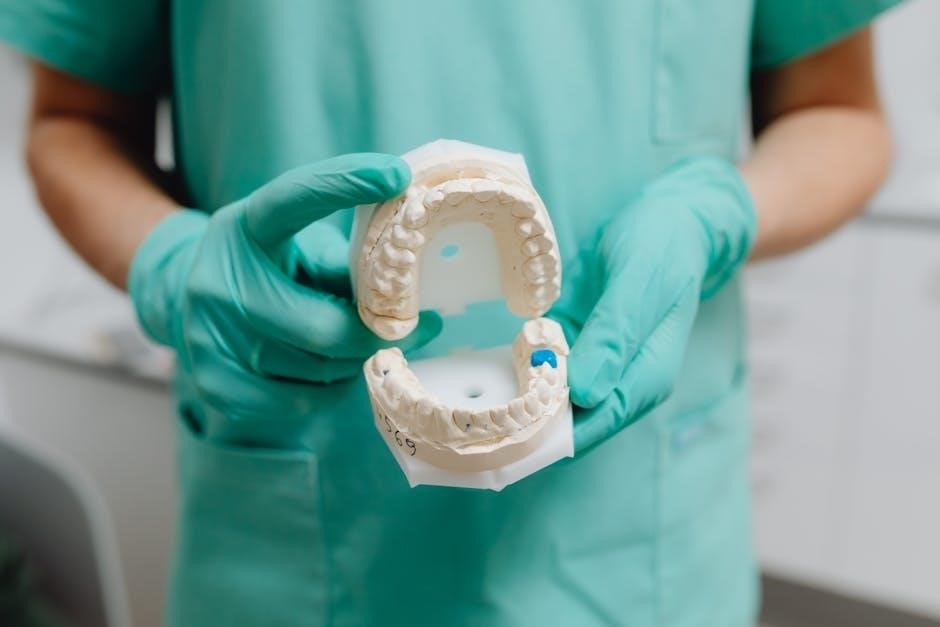
Polymerization and Setting
COE-SOFT typically polymerizes within approximately 15 minutes, whether applied intraorally or extraorally, providing a relatively quick setting time for clinical efficiency.
Polymerization Time
COE-SOFT demonstrates a consistent polymerization time, generally completing the process in around 15 minutes when applied either directly within the patient’s mouth (intraoral application) or outside the mouth on the denture itself (extraoral application). This relatively swift setting time is a significant advantage, streamlining the clinical workflow and minimizing patient chair time.
However, it’s crucial to remember that this timeframe is an approximation. Several factors, detailed in the following section, can subtly influence the exact polymerization duration. Dentists should always allow a sufficient period for complete polymerization to ensure optimal material properties and a durable, comfortable reline for the patient. Proper polymerization is key to the longevity and effectiveness of the COE-SOFT reliner.
Factors Affecting Polymerization
Several variables can influence the polymerization rate of COE-SOFT. Temperature plays a crucial role; warmer oral environments generally accelerate the process, while cooler temperatures may slightly prolong it. Maintaining proper proportions during mixing of the COE-SOFT liquid and powder is paramount – deviations can lead to incomplete or inconsistent polymerization.
Additionally, the presence of saliva during intraoral applications can potentially interfere with the reaction, necessitating careful isolation techniques. The quantity of material used also matters; larger volumes generate more heat and may polymerize faster. Dentists should be mindful of these factors to ensure a fully cured and reliable reline, maximizing patient comfort and the longevity of the COE-SOFT application.
Finishing and Polishing
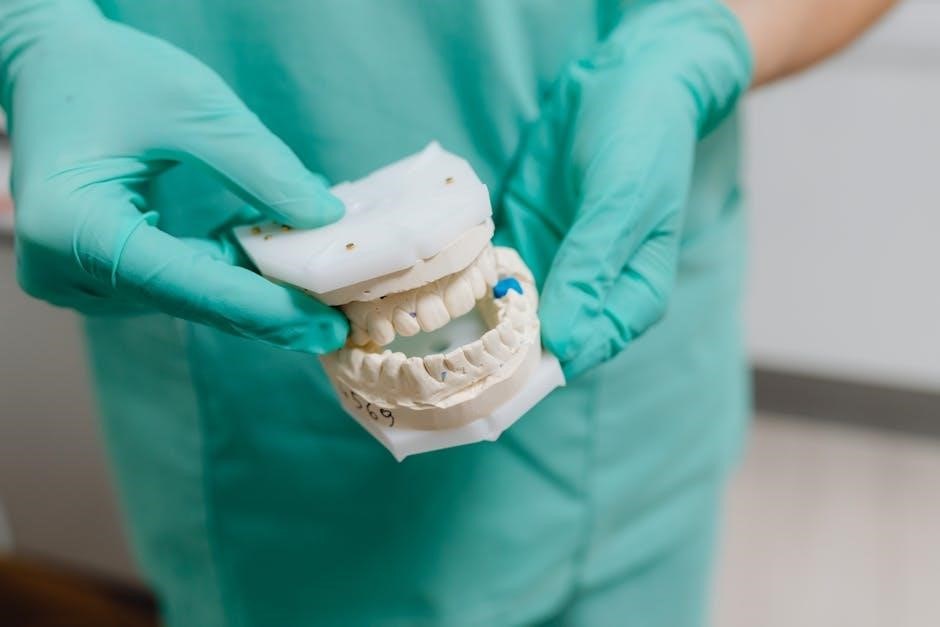
COE-SOFT requires trimming of excess material post-polymerization, followed by polishing procedures to achieve a smooth, comfortable, and aesthetically pleasing denture surface.
Trimming Excess Material

Following polymerization, carefully assess the denture for any excess COE-SOFT material extending beyond the denture base margins. Utilize a laboratory bur, such as a #7851 or similar, with a slow handpiece speed to meticulously remove this excess.
Prioritize precision to avoid altering the intended denture base shape or undercutting the reline. A light touch and frequent checks of the denture’s adaptation are crucial. Ensure a smooth transition between the reline material and the acrylic denture base.
Pay close attention to the lingual flange area, ensuring proper emergence profile and avoiding interference with tongue space. Proper trimming is essential for patient comfort and functional stability.
Polishing Procedures
After trimming, polishing COE-SOFT is vital for a smooth, comfortable surface and to remove any minor imperfections. Begin with a preliminary polishing step using a soft rubber point and tripoli compound to blend the reline material with the denture base.
Follow this with a final polishing stage employing a fine-grit rubber point and a polishing compound designed for acrylics. Avoid excessive pressure or heat generation, as this could potentially alter the material’s properties.
Inspect the polished surface for any remaining roughness or irregularities, repeating the polishing steps as needed to achieve a high-gloss, patient-friendly finish.

Post-Application Instructions & Maintenance
Patients should be advised that COE-SOFT typically lasts around three months, requiring periodic check-ups and potential reline replacements for optimal denture function.
Patient Comfort and Adaptation
Following COE-SOFT application, patients will likely experience a significant improvement in denture comfort due to the material’s resilient and soft nature. It’s crucial to inform patients that a brief adaptation period may be necessary as they adjust to the new liner’s feel.
Some initial sensitivity or a feeling of fullness is normal and typically subsides within a few days. Encourage patients to report any persistent discomfort or irritation. Proper hydration and a soft diet during the initial 24-48 hours can aid in adaptation.
Patients should be instructed to avoid excessively hard or sticky foods initially, as these could potentially dislodge or damage the temporary reline. Regular oral hygiene practices, as previously instructed, remain essential for maintaining comfort and preventing complications.
Reline Longevity and Replacement
COE-SOFT is designed as a temporary reline, typically maintaining its properties and effectiveness for approximately three months. Regular follow-up appointments are vital to monitor the liner’s condition and assess continued suitability. Patients should be informed about this limited lifespan from the outset.
Signs indicating the need for replacement include loss of resilience, tearing, distortion, or persistent discomfort. Changes in the patient’s oral tissues or denture fit also necessitate re-evaluation. It’s important to emphasize that COE-SOFT is not a long-term solution.
A definitive reline with a permanent material should be considered after the temporary period. Consistent monitoring and timely replacement ensure continued comfort and optimal denture function for the patient.
Safety Precautions & Handling
COE-SOFT Liquid is highly flammable; keep it away from heat, sparks, and open flames, and always ensure adequate ventilation during use.
Flammability and Ventilation
COE-SOFT Liquid presents a significant fire hazard due to its highly flammable nature. It’s crucial to keep this material far away from any potential ignition sources, including open flames, sparks, and hot surfaces. Strict adherence to safety protocols is paramount when handling COE-SOFT.
Adequate ventilation is absolutely essential during the mixing and application of COE-SOFT. The vapors released can be flammable and potentially harmful if inhaled in concentrated amounts. Work in a well-ventilated area, or utilize a local exhaust ventilation system to minimize exposure.
Avoid breathing the vapors and ensure proper airflow to prevent the accumulation of flammable concentrations. Always consult the Material Safety Data Sheet (MSDS) for comprehensive safety information and handling guidelines before using COE-SOFT.
Material Storage
Proper storage of COE-SOFT components is vital to maintain product integrity and ensure optimal performance. Both the COE-SOFT resin and liquid should be stored in a cool, dry environment, away from direct sunlight and sources of heat. Temperature fluctuations can negatively impact the material’s properties.
Keep containers tightly sealed when not in use to prevent contamination and evaporation of the liquid component. This is particularly important for the liquid, as exposure to air can alter its chemical composition and affect polymerization.
Follow the manufacturer’s recommended storage temperature range, typically found on the product packaging or MSDS. Regularly inspect containers for any signs of damage or leakage, and replace any compromised materials immediately to avoid potential issues during application.