Tuckman’s Model Overview
Tuckman’s 1965 model outlines four stages—forming, storming, norming, performing—plus adjourning. It maps team evolution from initial uncertainty to peak collaboration, guiding leaders to nurture trust, resolve conflict, and solidify norms for sustained success. The PDF offers charts, timelines, guidelines.
Historical Context
In the early 1960s, psychologist Bruce W. Tuckman described how newly formed teams evolve toward effectiveness. Drawing on observations from his doctoral research at UCLA, he identified a sequential pattern that would later become known as the “forming–storming–norming–performing” model. Tuckman’s original paper, published in Psychological Bulletin in 1965, was grounded in qualitative case studies of work groups. He noted that teams initially exhibit polite optimism, then confront conflict as roles crystallize, and finally establish shared norms before achieving collective efficacy. Over subsequent decades, scholars expanded the model, adding an “adjourning” phase to account for the dissolution of temporary teams. The model’s influence spread across organizational psychology, education, and sports coaching, becoming a staple in team‑building curricula worldwide. Contemporary PDFs of Tuckman’s stages often include visual timelines, role‑playing exercises, and reflection prompts that help facilitators apply the theory in diverse contexts, from corporate project teams to community volunteer groups. The enduring relevance of the model lies in its simplicity and empirical grounding, offering a practical roadmap for navigating the inevitable tensions that accompany group formation and maturation.
Since its introduction, the model has been cited over 10,000 times in academic literature, influencing training modules in firms and global courses alike. Its adaptability has led to variations such as the “five‑stage” model, which inserts a “reforming” phase for teams that undergo significant membership changes. Researchers continue to refine the framework, integrating insights from neuroscience and cross‑cultural studies to better explain how emotional dynamics shape group trajectories.
Core Concepts
At its heart, Tuckman’s model captures the psychological and behavioral journey a team undertakes from formation to dissolution. Three core concepts—process, structure, and culture—interlock to explain how teams evolve. Process refers to the patterns of interaction, communication, and conflict resolution that emerge as members negotiate roles. Structure denotes the formal and informal rules governing task allocation, decision‑making, and accountability. Culture embodies the shared values, norms, and emotional climate that arise when trust builds and identity solidifies. These concepts are dynamic, influencing one another in a continuous feedback loop. A clear structure can accelerate process efficiency, while a supportive culture can soften the turbulence of storming. The PDF version of the model often presents these concepts through flowcharts, role‑matrix tables, and reflective prompts, enabling facilitators to map expected behaviors and spot gaps before they become bottlenecks. By internalizing process, structure, and culture, leaders can anticipate natural shifts, intervene strategically, and guide the group toward sustained high performance.
In practice, facilitators use the core concepts to diagnose stage transitions. For example, a sudden spike in conflict may signal a shift from norming to storming, prompting a recalibration of structure. Likewise, a plateau in output can indicate that culture has become rigid, requiring intentional interventions such as team‑building exercises or role rotations. The PDF often includes case studies illustrating how adjustments to process, structure, or culture can reset a team’s trajectory, ensuring that the group remains agile and goal‑aligned throughout its lifecycle.
Insights equip leaders to foster resilience today.

Stage 1: Forming
In the forming stage, team members orient, share expectations, and establish basic norms. Leaders focus on clarity, building trust, and defining roles. The PDF highlights tools like icebreakers, mission statements, and role charts to anchor early collaboration. Shared goals foster trust together!
Key Behaviors
During the forming phase, members exhibit a blend of cautious enthusiasm and exploratory curiosity. They tend to ask clarifying questions about the project scope, seek guidance on decision‑making processes, and express tentative support for teammates’ ideas. Politeness dominates interactions, with a focus on building rapport rather than asserting authority. Newcomers often rely on the leader to set expectations, while experienced members may quietly observe to gauge group dynamics. Communication is typically surface‑level, avoiding deep conflict to maintain a positive atmosphere. The PDF provides checklists that capture these early signals: “Does the team discuss roles?” “Are objectives clearly stated?” and “Is there a shared understanding of success metrics?” By tracking these indicators, facilitators can identify when the group is ready to transition toward more substantive collaboration.
Typical indicators include frequent nodding, the use of inclusive language (“we”), and a tendency to defer to the facilitator for decision points. Members often mirror each other’s tone, creating a cohesive but tentative atmosphere. The PDF recommends a 5‑point readiness scale: 1) No role clarity, 2) Minimal interaction, 3) Emerging trust, 4) Shared vision, 5) Ready to move to storming. Tracking these signals helps leaders calibrate support and avoid premature escalation.
These early cues guide the leader’s facilitation style, ensuring the team’s energy remains constructive transition to stormingstays intentional.
Facilitating Success

In the PDF, facilitators are guided to scaffold the transition from forming to storming by establishing clear protocols. A recommended practice is to create a “starter kit” that lists role definitions, decision‑making rules, and a shared glossary of terms. By anchoring the team with these artifacts, members can focus on substantive discussion rather than procedural uncertainty.
Another key tool is the “pulse check”—a brief, structured reflection after each meeting. The PDF suggests a 3‑question format: 1) What went well? 2) What needs adjustment? 3) What is the next concrete action? This routine encourages accountability and surfaces emerging tensions early, preventing escalation into destructive conflict.
Facilitators are also advised to employ a “boundary‑setting” matrix, which maps acceptable communication styles against the group’s maturity level. The PDF includes a visual grid that helps leaders calibrate their interventions, from gentle nudges during forming to more directive guidance when storming intensifies.
Finally, the document stresses the importance of a “transition playbook.” This playbook outlines step‑by‑step procedures for moving into norming: setting up shared norms, defining conflict resolution protocols, and celebrating small wins. By documenting these steps, teams reduce ambiguity and accelerate the path to high performance;
The PDF also introduces a KPI dashboard that tracks engagement, task completion, and morale. Leaders can set quarterly targets and review them in retrospectives. By visualizing progress, teams maintain momentum and can recalibrate strategies before reaching a plateau.
Leaders should also document lessons learned in a shared repository, enabling future teams to bypass common pitfalls!!!!—…
Stage 2: Storming
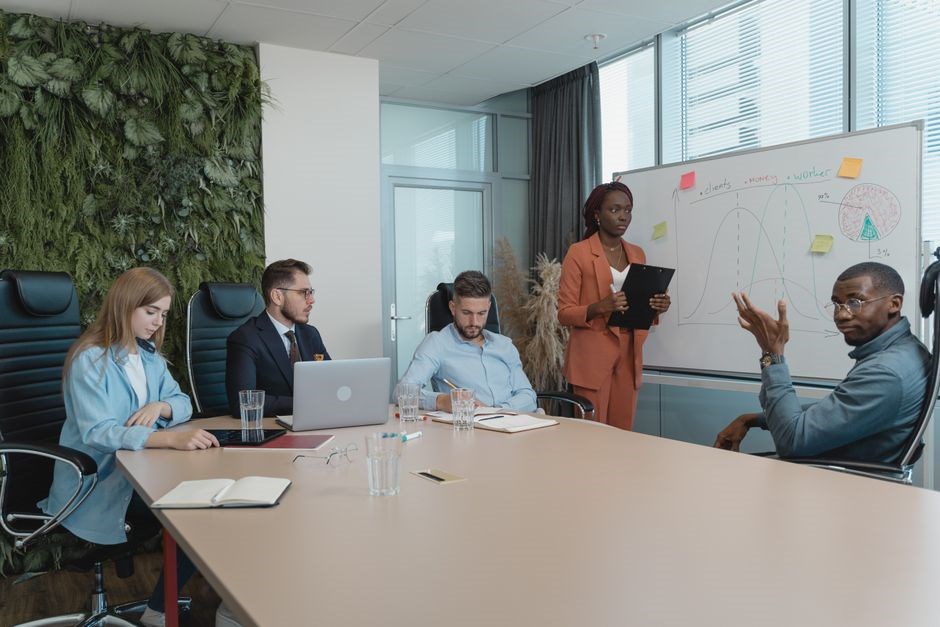
During Storming, teams confront conflict and power struggles. The PDF recommends structured conflict resolution, role clarity, and a “safe space” protocol. Leaders should mediate, encourage active listening, and document lessons to transition smoothly into Norming; Use visual timelines to illustrate progress.!!
Conflict Management
The Storming phase is marked by heated exchanges and competing agendas. A PDF guide suggests a systematic approach: first, establish a conflict resolution protocol that defines acceptable communication boundaries and a neutral mediator role. Second, employ active listening exercises—team members repeat back key points to confirm understanding. Third, use a root‑cause matrix to trace issues to underlying assumptions, not surface behavior. Fourth, set short‑term, measurable goals that align divergent priorities, ensuring each member sees tangible progress. Finally, schedule a debrief after each conflict cycle, capturing lessons and updating the team charter. This iterative loop turns tension into shared learning, strengthening cohesion and preparing the group for the Norming stage.
- Clarify roles early to prevent overlap.
- Use “I” statements to express feelings without blame.
- Set a time limit for heated discussions to maintain focus.
- Document decisions in a log to all.
- Encourage empathy by rotating perspective exercises.
- Introduce a “cool‑down” period when emotions spike.
- Revisit the team charter after each major conflict.
- Celebrate small wins to reinforce positive dynamics.
- Maintain a neutral tone in all written communications.
- Schedule regular check‑ins to monitor tension levels.

By embedding these structured practices, teams transform conflict from a stumbling block into a catalyst for innovation, ensuring that every storm strengthens the foundation for sustained performance and team. smooth transition to the next developmental phase. and growth
Leadership Role
During Storming, the leader transitions from directive to facilitative. The PDF recommends a “coach‑style” approach: set clear expectations, actively listen, and mediate disputes. Leaders should model emotional regulation, use neutral language, and enforce the conflict protocol outlined in the team charter. They must also monitor progress against short‑term goals, adjust roles when power dynamics shift, and celebrate micro‑wins to sustain morale. A structured feedback loop—weekly check‑ins, anonymous surveys, and a shared decision‑log—helps leaders gauge tension levels and intervene before escalation. By balancing authority with collaboration, the leader steers the group toward norming, ensuring that each member feels heard and accountable.
- Define role clarity early.
- Use “I” statements to express concerns.
- Implement a neutral mediator when needed.
- Document decisions in a shared log.
- Rotate leadership tasks to build trust.
- Schedule debriefs after conflict cycles.
- Encourage empathy through perspective swaps.
- Set measurable micro‑goals for progress.
- Celebrate small wins publicly.
- Adjust roles when power dynamics shift.
The leader’s adaptive style is reflected in real‑time adjustments, ensuring that every voice is acknowledged and that the team’s collective insight is harnessed. By documenting lessons learned, the leader creates a playbook that references continuousnow improvement resilience.

Stage 3: Norming
Norming sees roles solidify, trust deepens, and informal norms guide collaboration. The PDF highlights shared decision‑making, peer mentoring, and conflict resolution protocols. Teams establish clear processes, celebrate achievements, and align on long‑term goals. Team cohesion strengthens, output.!
Cohesion Building
In the norming phase, teams transition from conflict to collaboration, forging a shared identity that fuels performance. The PDF emphasizes structured rituals—regular check‑ins, shared goal boards, and collective retrospectives—that reinforce mutual accountability. By aligning individual strengths with group objectives, members internalize a sense of belonging and purpose. Trust is deepened through transparent communication, where feedback is framed constructively and celebrated as a growth catalyst. Peer recognition programs and informal social moments further cement interpersonal bonds, creating a resilient network that can absorb future challenges. Structured conflict resolution protocols, such as the “issue‑resolution matrix,” help teams navigate disagreements before they erode cohesion. The PDF also outlines a “norming checklist” that includes role clarity, decision‑making authority, and shared values, ensuring that every member feels heard and valued. As cohesion strengthens, the group’s collective efficacy rises, enabling it to tackle complex tasks with confidence and creativity. Continuous reflection on shared successes and lessons learned keeps the team adaptive and focused on long‑term objectives. and fosters ownership team
Process Establishment
During the norming stage, teams formalize routines that sustain momentum. The PDF recommends a “process blueprint” mapping each task from initiation to completion, assigning owners, timelines, and success metrics. By documenting decision‑making pathways—such as consensus, majority vote, or delegated authority—members eliminate ambiguity and reduce friction. Regular stand‑ups, sprint reviews, and post‑mortems become checkpoints that reinforce accountability. The guide stresses a shared knowledge base, recommending collaborative platforms where documentation, code, and design artifacts are version‑controlled and searchable. This transparency ensures new members onboard quickly and knowledge does not silo. Process templates for risk assessment, change requests, and quality assurance are provided, allowing teams to respond swiftly to emerging issues without ad‑hoc improvisation. The PDF highlights that process maturity is measured by cycle time, defect density, and stakeholder satisfaction, encouraging teams to iterate on workflows. Finally, the document underscores facilitation: a neutral facilitator can surface hidden bottlenecks, mediate priority conflicts, and keep the team aligned with the overarching mission. By embedding these structures, teams transition from ad‑hoc collaboration to disciplined execution, setting the stage for sustained high performance efficiently
The PDF also provides interactive worksheets and case studies to reinforce learning, ensuring teams can apply theoretical concepts to real‑world scenarios, thereby bridging the gap between theory and practice. This structured approach aligns with, promoting continuous improvement and rapid iteration cycles that keep the team responsive to change and
Stage 4: Performing & Adjourning
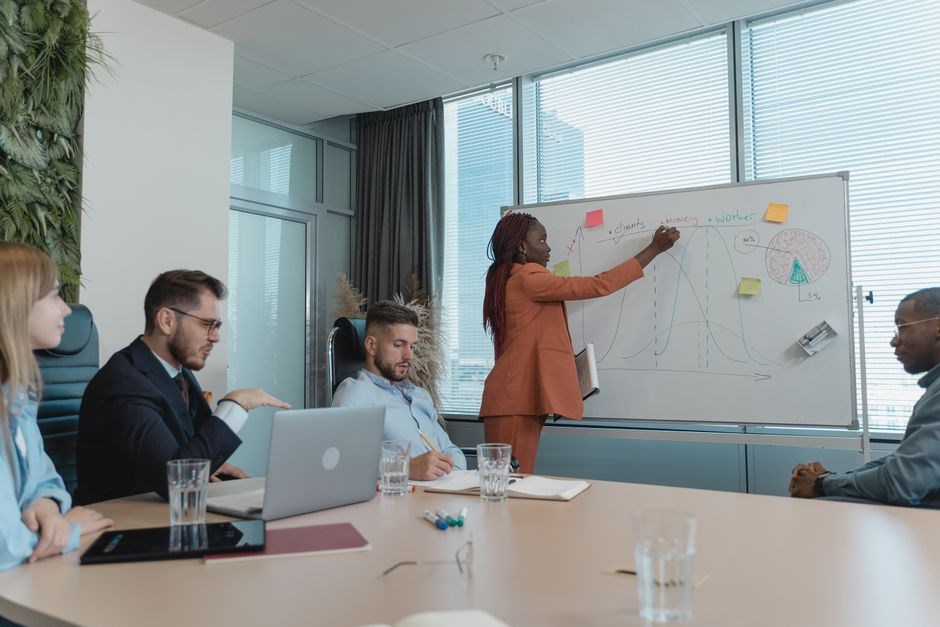
Stage 4 showcases peak synergy; teams deliver high‑quality results, innovate, and self‑manage. The PDF outlines key metrics—output, quality, client satisfaction—and strategies to sustain momentum. It also details adjourning rituals, knowledge transfer, and celebration. —team legacyshared vision
Peak Performance Indicators

In the Performing phase, teams show measurable excellence. Key indicators are high output, consistent quality, rapid problem resolution, and low turnover. The PDF stresses aligning KPIs with goals, fostering continuous improvement, and open, data‑driven communication. Teams that reach this stage typically demonstrate:
- Consistent achievement of project milestones ahead of schedule.
- High customer satisfaction scores, often exceeding 90%.
- Efficient resource use, minimal waste, optimal cost control.
- Rapid decision times, supported by clear authority.
- Robust knowledge sharing, evidenced by frequent cross‑training.
- Strong psychological safety, allowing ideas without fear.
- Effective conflict resolution turning tension into creative solutions.
- Visible alignment of strengths with tasks, boosting engagement.
- Data‑backed dashboards tracking progress in real time;
- Recognition systems celebrating individual and team achievements.

Teams in this phase exhibit adaptability, quickly integrating new tools and processes, and maintain a shared vision that drives continuous learning soon.
These metrics serve as a diagnostic toolkit for leaders to confirm that the team has transcended the norming stage and operates at its highest potential. The PDF recommends periodic reviews to ensure performance remains sustainable and that emerging challenges are addressed before they erode the team’s cohesion.
Transition to Adjourning
When a team reaches the apex of performance, the inevitable shift toward adjourning begins. The PDF highlights four critical steps: formal closure, knowledge capture, emotional release, and future orientation. Leaders must orchestrate a structured debrief, documenting lessons learned, celebrating milestones, and ensuring all deliverables are finalized. This process safeguards institutional memory and provides a roadmap for future projects.

- Formal closure: Sign off on objectives, archive artifacts, and release resources.
- Knowledge capture: Compile best practices, create a knowledge base, and conduct post‑mortem interviews.
- Emotional release: Offer recognition, acknowledge individual contributions, and facilitate a farewell ritual.
- Future orientation: Identify skill gaps, propose succession plans, and encourage alumni networks.
Adjourning is not merely an end; it is a transition that preserves team culture, fuels future collaborations, and reinforces the organization’s capacity to form new high‑performing units; The PDF recommends embedding this ritual into the project lifecycle to maintain continuity and morale.
Future teams that have navigated adjourning can leverage insights gained to accelerate subsequent projects, fostering a culture of improvement. By documenting lessons and celebrating achievements, organizations preserve institutional memory, ensuring collective expertise remains accessible and actionable.